


You can listen the report here
I. Introduction
Presentation of the topic and its significance for European citizens
The integrity of the European Union’s (EU) institutions and the effective use of its resources are fundamental to the stability, economic prosperity, and democratic values of the Union. However, issues such as corruption, misuse of EU funds, and lack of transparency in member states like Bulgaria pose a serious threat to these principles. For European citizens, these challenges transcend national borders—they undermine trust in governance, distort economic competition, and erode the democratic foundation of the EU. When a member state fails to effectively manage the funds allocated to it or allows systemic corruption, it not only harms its own citizens but also inflicts financial and moral damage on all EU taxpayers. Understanding these issues is crucial for European citizens, as they directly impact economic security, democratic accountability, and the future of the Union as a whole.
The significance of this topic for European citizens can be summarized in several key aspects:
Economic impact: Misuse of EU funds leads to the loss of billions of euros intended for regional development, reducing the overall economic potential of the Union.
Erosion of democracy: Corruption and lack of transparency undermine accountability, making it difficult for citizens to hold their leaders responsible and weakening trust in institutions.
Security threats: Corrupt networks often intertwine with organized crime, creating risks at both national and European levels.
These problems demand urgent attention, as the EU strives to maintain its reputation as a global leader in democracy and economic cooperation. Bulgaria, as a member state, is a stark example of how systemic governance weaknesses can have far-reaching consequences.
Overview of the main problems: corruption, misuse of EU funds, and lack of transparency in Bulgaria
Bulgaria has long faced serious challenges related to corruption, misuse of EU funds, and lack of transparency in governance. These three issues are closely interconnected and mutually reinforcing, creating a vicious cycle that undermines both national and European interests. Corruption in the country is systemic, affecting political, judicial, and administrative structures. Misuse of EU funds, on the other hand, is widespread, with Bulgaria frequently coming under scrutiny from European institutions due to irregularities and fraud. The lack of transparency completes the picture, limiting access to information, weakening accountability, and allowing corrupt practices to flourish with impunity. This section examines each of these aspects in depth, providing evidence and examples supported by credible sources.
Corruption
Bulgaria has been grappling with a long-standing corruption problem, placing it among the most corrupt countries in the EU. According to Transparency International’s 2023 Corruption Perceptions Index, Bulgaria scored 43 out of 100 points, ranking it among the worst-performing countries in the Union (https://www.transparency.org/en/cpi/2023). This low score reflects deeply entrenched issues in the political system, judiciary, and public administration. Some of the most serious manifestations of corruption include political favoritism, clientelism, and manipulation of public procurement processes.
One notable case is the collapse of Corporate Commercial Bank (KTB) in 2014, which revealed allegations of fraud and political interference costing Bulgarian taxpayers billions of leva (https://www.forbes.com/sites/francescoppola/2014/11/07/bulgarias-corpbank-a-tangled-web-of-fraud/). More recent examples include allegations of corruption in public procurement, where contracts are often awarded to companies linked to political figures rather than based on competitive bids (https://www.govtransparency.eu/wp-content/uploads/2023/05/Fazekas-Toth-Poltoratskaia_Corruption-Risks-and-State-Capture-in-Bulgarian-Public-Procurement_WB_working-paper.pdf). These practices not only undermine trust in institutions but also deprive society of quality services and infrastructure.
Misuse of EU Funds
Bulgaria is one of the largest recipients of EU cohesion funds, which aim to reduce regional disparities and support development. However, the country is frequently criticized for their mismanagement. The European Anti-Fraud Office (OLAF) has conducted numerous investigations in Bulgaria, recommending the recovery of over €100 million in misspent funds in 2022 alone (https://ec.europa.eu/olaf-report/2022/index_en.html). Typical violations include inflated project costs, fictitious tenders, and the allocation of funds to companies lacking the capacity to fulfill contracts.
Furthermore, according to a 2023 audit by the European Court of Auditors, Bulgaria recorded the highest rate of irregularities in the use of EU agricultural funds, with over 10% of payments potentially linked to fraud (https://www.eca.europa.eu/en/publications?ref=ar-2023). These figures highlight a systemic problem in the management of EU funds, which not only harms Bulgaria’s economy but also undermines the confidence of European taxpayers in the EU’s effectiveness.
Lack of Transparency
Transparency remains a serious issue in Bulgaria, where access to information is limited, and government accountability is insufficient. In the 2023 World Press Freedom Index by Reporters Without Borders, Bulgaria ranked 70th out of 180 countries, largely due to government influence over the media and lack of protection for journalists (https://rsf.org/en/index). This restricts society’s ability to monitor government actions and expose corrupt practices.
The public procurement system also suffers from a lack of transparency, with inadequate oversight and frequent allegations of rigged tenders. The European Commission’s 2023 Rule of Law Report noted that “the lack of transparency in public administration remains a serious obstacle to combating corruption” in Bulgaria (https://commission.europa.eu/strategy-and-policy/policies/justice-and-fundamental-rights/upholding-rule-law/rule-law/annual-rule-law-cycle/2023-rule-law-report_en). These weaknesses allow corruption and abuses to remain hidden from public scrutiny.
The issues of corruption, misuse of EU funds, and lack of transparency in Bulgaria undermine the core values of the EU, waste taxpayers’ resources, and threaten the democratic and economic stability of the Union. For European citizens, understanding and addressing these issues is essential to ensure that the EU continues to be a force for good both within its borders and on the global stage. Only through concerted efforts to combat corruption and enforce transparency can the integrity of the Union be protected and its promises to all citizens fulfilled.
II. Corruption in Bulgaria: An Overview
Corruption in Bulgaria remains one of the country’s most serious challenges, impacting its institutions, society, and economy. Despite joining the European Union (EU) in 2007, Bulgaria continues to struggle with high levels of corruption, placing it in an unenviable position compared to other EU member states. This overview examines statistical data, the economic and societal impacts, and specific examples of corruption scandals that reveal the depth of the issue.
Statistical Data on Corruption Levels in Bulgaria
Bulgaria faces significant challenges in combating corruption, as evidenced by international rankings and studies. According to the Corruption Perceptions Index (CPI) 2024, published by Transparency International, Bulgaria ranks 76th out of 180 countries with a score of 43 (on a scale from 0 to 100, where 0 indicates the highest level of corruption). This places Bulgaria among countries with high corruption levels and makes it the most corrupt EU member state, alongside Romania and Hungary. For comparison, the EU average score is 64, highlighting Bulgaria’s significant lag. Source: Transparency International, CPI 2024.
Data from the Global Corruption Barometer (GCB) 2023, also published by Transparency International, paints an even more alarming picture. Approximately 45% of Bulgarian citizens believe corruption has increased in the past year, and 30% admit to paying bribes for access to public services—the highest rate in the EU, where the average is only 7%. Moreover, 75% of respondents believe the government is ineffective in addressing the issue. These figures indicate deeply rooted corruption at all levels, from petty bribes to systemic abuses.
The European Commission’s reports under the Cooperation and Verification Mechanism (CVM) consistently note Bulgaria’s lag in combating high-level corruption. In 2023, Bulgaria recorded 143 investigations into fraud involving EU funds—the highest in the EU—underscoring weaknesses in public fund management.
Impact of Corruption on the Economy and Society
Corruption has a profoundly negative impact on Bulgaria’s economic development and societal life, with consequences visible across multiple sectors.
Economic Consequences
Financial Losses: Estimates suggest corruption costs Bulgaria approximately 22% of its GDP annually, equivalent to over €15 billion. These losses stem from inefficient public resource management, fund misappropriation, and lack of transparency in public procurement.
Foreign Investment: High corruption levels deter investors. Between 2008 and 2018, foreign direct investment in Bulgaria dropped from 28% to 2% of GDP, largely due to distrust in institutions.
Economic Growth: Corruption hinders economic progress, leaving Bulgaria as the poorest EU member state. In 2023, GDP per capita was only $16,300—less than half the EU average of approximately $38,000, according to Eurostat.
Public Services: Corruption in healthcare and education degrades service quality. GCB 2023 data shows that 30% of Bulgarians paid bribes for healthcare access—the highest rate in the EU.
Societal Consequences
Distrust in Institutions: Only 20% of Bulgarians trust the judicial system, and 15% trust the government, according to Eurobarometer surveys. These are among the lowest levels in the EU, reflecting the systemic nature of the problem.
Social Protests: Corruption has fueled public discontent, sparking massive protests in 2013 and 2020–2021 against the corrupt political elite. These led to government resignations but failed to bring lasting change.
Corruption not only undermines Bulgaria’s economic potential but also erodes its social fabric, increasing inequality and fostering public apathy.
Specific Examples of Corruption Scandals and Their Consequences
Several scandals in recent years highlight the scale and depth of corruption in Bulgaria, many of which have garnered international attention.
Magnitsky Act Sanctions: In 2021 and 2023, the U.S. imposed sanctions under the Global Magnitsky Act on Bulgarian oligarchs and politicians, including Delyan Peevski, Vasil Bozhkov, and Ilko Zhelyazkov, for their involvement in corruption schemes undermining democracy and economic stability. These are the most extensive sanctions imposed on an EU member state, highlighting the systemic nature of high-level corruption. Source: U.S. Department of the Treasury.
Bulgarian Development Bank (BDB) Scandal: In 2021, an investigation revealed that the BDB had granted €500 million in loans to eight companies linked to political figures, instead of supporting small and medium-sized businesses as intended. The scandal sparked public outrage and investigations, but outcomes remain limited due to the lack of an independent judiciary.
European Public Prosecutor’s Office (EPPO) Investigations: In 2023, the EPPO investigated the misappropriation of over €140 million in an EU-funded railway project. The case led to searches and arrests but is part of a broader issue of EU fund fraud. Other investigations involve social projects and infrastructure, with total losses estimated at hundreds of millions of euros. Source: Bulgaria: suspected irregularities of over €140 million in railway infrastructure project – European Commission.
These examples illustrate not only the scale of corruption but also the weaknesses in institutional responses. The lack of effective convictions and systemic reforms allows corrupt practices to persist, undermining trust in the state and its future.
Statistical data reveal alarmingly high corruption levels, placing Bulgaria at the bottom of the EU. Economic losses and public distrust are direct consequences, while corruption scandals underscore its systemic nature. Without decisive judicial reforms, increased transparency, and effective measures against high-level corruption, Bulgaria will continue to lag in its development. Links to sources such as Transparency International, the U.S. Treasury, and the EPPO substantiate these claims and provide a basis for further research.
III. Misuse of EU Funds in Bulgaria: Mechanisms, Investigations, and Sanctions
The misuse of EU funds in Bulgaria is a serious issue that undermines trust in both national institutions and European funding mechanisms. This analysis examines the mechanisms of misuse, the role of European institutions in combating these practices, and real cases of investigations and sanctions. The information is based on official sources and reports, with references to credible data supporting the most serious claims.
Mechanisms of Misuse of EU Funds in Bulgaria
Misuse of EU funds in Bulgaria occurs through complex and varied schemes, often linked to corruption and inadequate oversight. The most affected areas are agricultural subsidies and rural development funds, which account for a significant portion of EU funds allocated to Bulgaria. According to the European Anti-Fraud Office (OLAF), common practices include:
False Declarations of Ownership: Individuals or companies falsely claim ownership of agricultural land to obtain subsidies from the EU’s Common Agricultural Policy (CAP).
Non-Existent Activities: Registering fictitious livestock, gardens, or other agricultural activities to secure financial support.
Document Forgery: Creating falsified reports and contracts to justify fund expenditures.
Corruption and Conflicts of Interest: Bribes and abuse of power by public officials or business figures involved in fund allocation or approval.
These mechanisms are particularly prevalent among so-called “white-collar” actors—high-ranking individuals with access to power and resources. A European Parliament analysis for 2015–2019 indicates that Bulgaria recorded 1,126 reports of fraud and irregularities with EU funds, affecting about 1.7% of payments—a rate comparable to other Eastern European countries. This underscores the systemic nature of the issue and the need for stricter oversight measures.
Role of European Institutions in Detecting and Combating Misuse
European institutions play a critical role in detecting and sanctioning the misuse of EU funds. The two primary organizations involved are the European Anti-Fraud Office (OLAF) and the European Public Prosecutor’s Office (EPPO).
European Anti-Fraud Office (OLAF)
OLAF is responsible for investigating fraud affecting the EU’s financial interests. In Bulgaria, OLAF has conducted numerous investigations, often prompted by media and civil society reports. In 2021, for instance, OLAF investigated 29 cases of alleged misuse of EU funds in Bulgaria, with outcomes often leading to recommendations for financial sanctions and judicial proceedings. A notable case, discussed further below, involves fraudulent guesthouses.
European Public Prosecutor’s Office (EPPO)
Established in 2021, the EPPO is an independent body tasked with investigating and prosecuting crimes against the EU budget, including fraud involving funds over €10,000 and cross-border VAT fraud exceeding €10 million. In Bulgaria, the EPPO collaborates closely with national authorities and other European agencies like Eurojust and Europol. In 2023, the EPPO launched an investigation into the misappropriation of over €140 million in an EU-funded railway project, resulting in searches and arrests. These actions demonstrate the commitment of European institutions but also highlight the scale of the problem in Bulgaria.
The success of these institutions depends on cooperation with national authorities, wich is often hindered by corruption and a lack of political will.
Real Cases of Investigations and Sanctions
Several high-profile cases illustrate both the scale of misuse and efforts to address it. Below are some of the most emblematic examples:
Fraudulent Guesthouses: In 2021, OLAF investigated a scheme involving the misuse of EU funds intended for rural tourism development in Bulgaria. Of the 288 guesthouses built with EU funds, 88% were found to be used for personal purposes rather than tourism, as intended. This case, uncovered following journalistic investigations and reported by media (EU funds fraud: Bulgaria must return more than 30M euro – The Sofia Globe), led to recommendations for fund recovery to the EU budget.
European Social Fund Fraud: In 2025, the EPPO investigated a case of fraud involving the European Social Fund, where two individuals were accused of submitting falsified documents for employment projects, resulting in losses of €66,750. Further details are available on the EPPO’s official website (link to EPPO).
Railway Project Misuse: In 2023, the EPPO initiated an investigation into the misappropriation of over €140 million allocated for a railway project in Bulgaria. The investigation uncovered diverted funds through fictitious contracts and subcontractors, leading to searches and arrests. This case is documented in official EPPO communications (Bulgaria: suspected irregularities of over €140 million in railway infrastructure project – European Commission).
Financial Sanctions for €35 Million: In 2021, OLAF identified irregularities amounting to €35 million across eight investigated cases in Bulgaria. Seven of these resulted in recommendations for financial sanctions and judicial proceedings, highlighting the severity of the irregularities.
These cases underscore both the activity of European institutions and the challenges in effectively sanctioning perpetrators, as many investigations lack conclusive judicial outcomes at the national level.
The misuse of EU funds in Bulgaria is a deeply rooted issue requiring coordinated efforts between national and European institutions. The mechanisms of misuse—from false declarations to corruption—reveal systemic weaknesses in oversight and fund management. OLAF and the EPPO play a critical role in uncovering these practices, but their success hinges on improving national law enforcement mechanisms and eliminating corruption. Real cases of investigations and sanctions show progress, but the problem remains significant. Strengthening transparency, accountability, and punitive measures is essential to protect the interests of European taxpayers and ensure the effective use of EU funds.
IV. Lack of Transparency and Accountability in Bulgarian Institutions: Causes, Consequences, and Suggestions for Improvement
Main Issues with Transparency in Bulgarian Institutions
Transparency and accountability in Bulgarian institutions face serious challenges that undermine the functioning of the democratic system and public trust in governance. The main problems can be summarized in the following key areas:
i. Limited Access to Information
Despite Bulgaria having a Law on Access to Public Information, adopted in 2000, which theoretically guarantees citizens’ rights to obtain information from public institutions, its practical implementation remains ineffective and faces significant obstacles. This law was intended as a tool to ensure transparency and accountability in governance, but reality shows that institutions often fail to adhere to its principles. The most common issues include refusals or deliberate delays in providing data, especially on sensitive topics such as public expenditures, contracts, or internal investigations. Such behavior not only undermines the law’s objectives but also severely limits opportunities for public oversight of government actions.
One of the most compelling pieces of evidence for these difficulties comes from a 2022 report by the Access to Information Programme, which revealed that over 30% of submitted requests for information were partially or fully denied. These refusals are often justified with vague or overly broad arguments, such as invoking “state secrets” or “trade secrets.” Such practices allow institutions to evade transparency while creating the impression of operating within the law. For instance, when citizens or journalists request information on public procurement expenditures, they often face silence or responses that arrive too late to be useful. The delay in providing data is particularly problematic because, by the time the information is received, it has often lost its relevance, making timely public response impossible.
Specific examples further illustrate the scale of the issue. In 2021, an investigation by the Anti-Corruption Fund revealed that numerous public procurements in Bulgaria were awarded without public tenders, with related information deliberately withheld from the public. This not only complicates tracking public funds but also creates a favorable environment for corruption and abuse. The lack of access to such data means citizens and media remain unaware of how their money is managed, directly impacting their trust in institutions. As a result, public oversight becomes nearly impossible, and authorities remain largely unaccountable.
The consequences of limited access to information are profound and affect the foundations of Bulgaria’s democratic process. Without access to accurate and timely data, citizens cannot fulfill their role as active participants in governance, and the media lose their ability to expose irregularities and inform the public. This leads to growing distrust in institutions and increases public apathy, as people become increasingly convinced that they have no real ability to influence power. To address this issue, Bulgarian institutions must take concrete measures—not only to improve the implementation of the existing law but also to introduce stricter sanctions for non-compliance and establish an independent body to monitor adherence to transparency principles. Only then can trust be restored and the right to information ensured beyond mere rhetoric.
ii. Lack of Transparency in Public Procurement
Public procurement in Bulgaria has long been subject to sharp criticism due to its lack of transparency and frequent suspicions of corrupt practices that remain undetected or unpunished. The processes for awarding contracts often occur far from public scrutiny, with information about participants, tender conditions, and final contracts remaining inaccessible or heavily restricted. This creates fertile ground for abuses and undermines trust in institutions that are supposed to ensure fairness and efficiency in managing public funds.
A key indicator of the problem’s scale is Bulgaria’s position in Transparency International’s Corruption Perceptions Index (CPI). In 2022, the country scored only 42 out of 100, placing it among the EU countries with a high corruption risk. This low score is not accidental—it reflects systemic weaknesses in governance, particularly in public procurement, where the lack of publicity and accountability is a chronic issue. Unlike countries with higher transparency levels, in Bulgaria, data on public procurement expenditures are often not available in real-time or in detailed form, making effective monitoring by the media, civil society, or independent observers impossible.
Specific examples from recent years clearly illustrate the depth of this problem. In 2023, the European Public Prosecutor’s Office (EPPO) uncovered serious abuses in a railway project funded with over €140 million in EU funds. The investigation led to searches and arrests, revealing a network of corrupt schemes involving senior public officials and businessmen. This case is not isolated—it is a symptom of a broader issue where the lack of transparency enables manipulation of tender procedures and favoritism toward certain companies, often at the expense of public interest. Another notable example is the EPPO’s 2024 investigation into the restoration of Sofia’s historic center, which uncovered abuses of €3 million in EU funds, including the use of fake documents and corrupt practices in contract awards. These cases highlight how opacity in processes facilitates the siphoning of public funds.
The scale of public procurement in Bulgaria further amplifies the issue’s significance. In 2022, it accounted for about 15% of the country’s GDP, above the EU average according to World Bank data. This means a significant portion of public finances passes through a system vulnerable to corruption and inefficiency. At the same time, Bulgaria lags significantly behind other EU countries in transparency. A 2023 European Commission report noted that Bulgaria is among the countries with the highest number of complaints and lawsuits related to public procurement, a clear indicator of distrust in the system’s functioning.
While Bulgarian public procurement legislation includes measures for publicity, such as mandatory publication of tender documents and contracts, these requirements are often applied ineffectively in practice. They are frequently circumvented, or information is provided with significant delays and in incomplete form. This not only limits oversight opportunities but also creates conditions for corruption, such as pre-arranged contracts or manipulation of selection criteria. The lack of open data further complicates the situation—without access to clear and timely information, citizens and organizations are deprived of tools to hold power accountable.
In conclusion, the lack of transparency in Bulgaria’s public procurement is a deeply rooted problem, fueled by weak enforcement of laws, limited access to information, and systemic corruption. Evidence—from low scores in international indices to specific EPPO investigations—demonstrates an urgent need for reforms. Without introducing stricter accountability measures, electronic monitoring systems, and active civil society participation, the risk of abuses will remain high, and public funds will continue to be spent inefficiently and to the detriment of society.
iii. Financing of Political Parties in Bulgaria
This process remains poorly regulated and opaque, despite reform efforts in recent years, including amendments to the Political Parties Act. It encompasses the funds political parties receive for their activities—election campaigns, advertising, organizational expenses, and more. Transparency in this area is crucial, as it allows citizens to understand who finances a given party and whether there are potential conflicts of interest or corruption. However, the lack of full disclosure regarding funding sources continues to raise serious doubts about the influence of private and corporate interests on political decisions, weakening the democratic process and trust in institutions.
Although the Political Parties Act requires parties to submit annual financial reports, these documents are often incomplete, unclear, or difficult for ordinary citizens to access. Oversight of funding sources is also inadequate, allowing parties to accept funds from anonymous or dubious sources. For example, while the law mandates disclosure of large donors, loopholes facilitate circumvention of these rules. Donations below a certain threshold or funds transferred through intermediaries are among the commonly used methods that obscure the true sponsors. This creates conditions for private interests to infiltrate politics, undermining the independence of political decisions.
Specific examples highlight the seriousness of the issue. In 2019, an investigation by the Anti-Corruption Fund revealed that certain political parties received funding from companies with business interests tied to public procurement. These cases raise questions about potential conflicts of interest and corruption, as companies may provide funds expecting future favors if the parties come to power. Such practices not only violate transparency principles but also give an advantage to parties with greater financial resources, leading to unequal political competition. These parties can invest more in media campaigns and dominate public discourse, while smaller or newly formed political forces remain at a disadvantage.
The lack of transparency in political party financing in Bulgaria has long-term consequences for democracy. It not only facilitates corruption and clientelism but also erodes public trust in the political system. To overcome this issue, stricter legal frameworks are needed to ensure full disclosure of all funding sources, alongside independent and effective oversight of financial flows to parties. Only through such measures can it be ensured that political decisions are made in the public interest, not under pressure from hidden private or corporate interests. Reforms in this area are critical to strengthening the democratic process and restoring public trust in institutions.
iv. The Judiciary in Bulgaria
The judiciary has long been subject to sharp criticism due to its lack of independence and transparency, which are fundamental pillars of any rule-of-law state. These issues not only undermine public trust in institutions but also limit the judiciary’s ability to serve as an independent arbiter and a check against abuses of power. To understand the scale of the problem, it is important to examine specific aspects of political influence, opaque appointment and promotion processes for judges, and the lack of accountability, supported by evidence from reliable sources.
One of the most serious issues in Bulgaria’s judicial system is political influence, particularly evident in the appointment and promotion of judges. The Supreme Judicial Council (SJC), the body responsible for managing the judiciary, is frequently accused of acting under pressure from the executive branch and political interests. The European Commission’s 2023 Rule of Law Report explicitly states that the independence of Bulgaria’s judiciary remains a serious challenge. The report notes that the processes for appointing and promoting judges are opaque, and SJC decisions are often not publicly justified, creating conditions for external interference (2023 Rule of Law Report – European Commission). This political influence was evident, for example, in the 2019 scandal involving former Prosecutor General Sotir Tsatsarov, who was accused of bias in investigations of high-ranking politicians. Although Tsatsarov denied the allegations, the case highlighted the system’s vulnerability to political pressure and sparked widespread public debate (DW, 10/26/2016). These examples demonstrate that the lack of transparency in selecting key judicial figures not only fuels suspicions of dependency but also weakens trust in the institution as a whole.
Beyond political influence, another key issue is the lack of effective accountability mechanisms for judges and prosecutors. Although disciplinary procedures formally exist, they are rarely applied in a way that ensures objectivity. According to Transparency International’s 2022 Corruption Perceptions Index, Bulgaria scored only 42 out of 100, placing it among the EU countries with a high corruption risk (Transparency International, CPI 2022). This low score is directly linked to the lack of transparency and accountability in the judiciary, which allows corrupt practices to go unpunished. A notable example is the public criticism by former Supreme Cassation Court President Lozan Panov in 2020, who accused the system of systemic corruption and political dependency. Despite support from NGOs, his calls for reform led to no significant changes, illustrating the weakness of oversight mechanisms in the country (Euractiv). This lack of accountability further reinforces the perception that the judiciary serves narrow political or personal interests rather than the public good.
The consequences of these issues are profound and affect both society and the state as a whole. According to the European Commission’s 2023 Rule of Law Report, only 20% of Bulgarians trust the judicial system—one of the lowest rates in the EU. This low trust fueled the mass protests in 2020 against Boyko Borisov’s government, when thousands took to the streets, driven by a sense of systemic corruption and impunity. Political influence and lack of accountability not only undermine social stability but also limit the judiciary’s ability to serve as an effective check against abuses of power, as enshrined in rule-of-law principles.
In conclusion, the lack of independence and transparency in Bulgaria’s judiciary stems from long-standing systemic failures, including political interference in appointments, opaque processes, and the absence of real accountability. Evidence from European Commission reports, Transparency International, and media investigations clearly shows that these issues are not isolated but part of a broader institutional crisis. Without decisive reforms to ensure judicial independence and enhance transparency, Bulgaria will continue to struggle with public distrust and its limited ability to function as a true rule-of-law state.
v. Falsification of Statistical Data
One of the most serious examples of lack of transparency is related to the alleged manipulation of data sent to Eurostat. According to a prior study, the officially reported budget deficit for 2024 was -3.04% of GDP, but there are indications that the actual deficit may reach -5.07% of GDP. This discrepancy is attributed to incorrect reporting of net receivables, deferral of invoices, and reclassification of capital transfers. Similarly, real inflation levels were likely higher than reported, raising questions about the reliability of statistical institutions. Official data from the National Statistical Institute (NSI) and Eurostat show that in 2024, the “General Government” sector recorded a budget deficit of BGN 6.158 billion, equivalent to 3% of GDP. This aligns with the officially reported deficit of -3.04% of GDP, suggesting Bulgaria met the EU’s maximum budget deficit criterion of 3% of GDP. However, according to a publication from April 22, 2025, while the country formally met this criterion, there are indications of potential inconsistencies in the provided data. Yet, there is a lack of concrete and direct evidence to substantiate claims of incorrect reporting of net receivables, invoice deferrals, or capital transfer reclassifications that would result in a higher real deficit of -5.07% of GDP. These suspicions remain speculative without further documented analyses or official investigations to support them.
Regarding inflation, NSI’s official data indicate that annual inflation for December 2024 compared to December 2023 was 2.2%, while for January 2024 compared to January 2023, it reached 3.8%. These levels are relatively low compared to the previous year, when the average annual inflation for 2023 was significantly higher at 9.5%. However, according to a publication from June 16, 2025, annual inflation in Bulgaria accelerated to 3.7% in May 2024, marking an increase from previous months. This rise, combined with the high average annual inflation of 2023, may fuel doubts about the accuracy of reported data for 2024. The difference between 9.5% in 2023 and the significantly lower levels in 2024 raises questions about whether statistical institutions presented a fully realistic picture of the economic situation or were pressured to report more favorable figures. Despite these indications, there is no concrete evidence of deliberate data manipulation, such as falsifying indices or withholding information. Discrepancies between different periods and sources, however, provide grounds for further investigation.
In conclusion, while there are indications of potential manipulation of statistical data related to Bulgaria’s budget deficit and inflation for 2024, available official sources do not provide sufficient concrete evidence to confirm these claims definitively. Official NSI and Eurostat data report a budget deficit of 3% of GDP and inflation ranging from 2.2% to 3.8% for various months in 2024, but there is a lack of clear documentation proving systematic misreporting or deliberate falsification. Nevertheless, discrepancies between official figures and independent estimates, as well as the sharp decline in inflation compared to the previous year, suggest the need for more in-depth investigation to clarify the reliability of the provided information. These observations underscore the importance of independent monitoring and transparency in statistical processes, especially for data submitted to international institutions like Eurostat.
vi. Electoral Legislation in Bulgaria
Falsification of the electoral process is a topic that sparks serious debates and doubts about the democratic nature of governance in the country. Bulgaria’s elections are governed by the Electoral Code, adopted in 2011, which has undergone numerous amendments since then. However, some of these changes have been criticized for undermining rather than strengthening electoral integrity, facilitating manipulations. One specific example is the introduction of machine voting, implemented just two weeks before elections without sufficient time for preparation or public discussion. This decision fueled public distrust, with over 70% of voters opting for paper ballots in the latest parliamentary elections, according to Central Electoral Commission (CEC) data. This choice clearly reflects a lack of confidence in new technologies and fears that they could be used for falsification. Moreover, the hasty imposition of machine voting violates the principle of popular sovereignty enshrined in Article 1 of Bulgaria’s Constitution, as it restricts citizens’ right to choose a voting method they trust.
Claims that Bulgaria is governed by a mafia-oligarchic circle that prevents fair elections are supported by numerous investigations and reports. According to journalistic investigations and analyses by NGOs like the Association for Honest Elections (OCHI), this circle comprises politicians, businessmen, and individuals with criminal ties who work in concert to preserve power and personal interests. One of the most notorious examples of alleged falsification is the 2013 Kostinbrod scandal, where over 350,000 pre-cut ballots intended for various electoral districts were discovered. This case raised serious suspicions of an organized attempt to manipulate election results, but the investigation led to no clear consequences or punishments, further reinforcing the sense of impunity. The mafia-oligarchic circle uses electoral legislation as a tool, changing rules at the last moment to hinder opposition parties’ participation or facilitate control over results. This occurs not only through legislative changes but also through corruption in electoral bodies, which are often accused of lacking independence.
The lack of transparency in the electoral process is another key factor fueling these issues. According to Transparency International’s 2022 report, Bulgaria scored only 42/100 in the Corruption Perceptions Index, placing it among the EU countries with high corruption risk. This corruption manifests in electoral procedures—public procurements for election materials and technologies are often shrouded in secrecy and subject to suspicious schemes. Political party financing also remains poorly regulated, allowing the mafia-oligarchic circle to leverage private and corporate interests to influence political decisions and election outcomes. For instance, the lack of strict accountability requirements for donations enables opaque inflows of funds that can be used for vote-buying or other illegal practices.
The connection between electoral legislation and the mafia-oligarchic circle is evident—changes in laws and weaknesses in their enforcement create conditions for manipulation that serve the interests of the influential ruling group. This undermines public trust in the democratic process and reinforces the perception that elections are not fair. To change this situation, urgent reforms are needed. First, electoral legislation must be revised to ensure greater transparency and introduce strict penalties for violations. Second, the CEC’s independence must be strengthened through clear rules for appointing its members to prevent political interference. Third, party financing must be subject to stricter oversight to limit the influence of oligarchic interests. Only through such measures can trust in the electoral process be restored and further erosion of Bulgaria’s democracy prevented. Without decisive action, the country risks remaining trapped in a vicious cycle of corruption and manipulated elections, further alienating citizens from political participation and entrenching the mafia-oligarchic circle’s power.
vii. Bulgaria in the FATF Grey List and Its Implications for the Eurozone
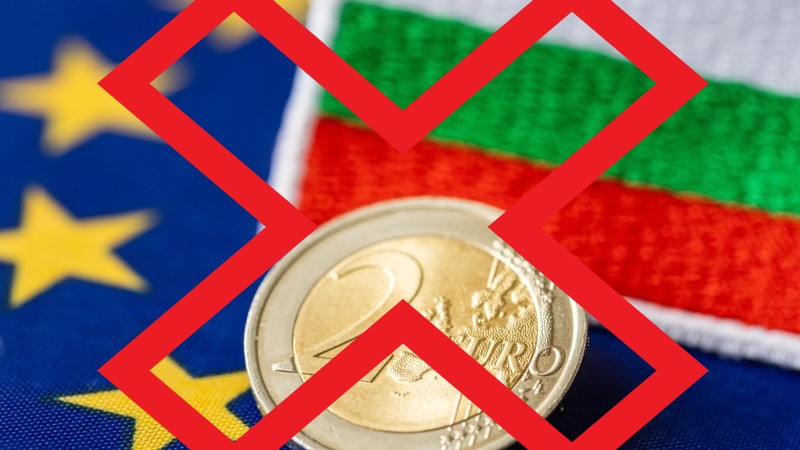
In 2023, the Financial Action Task Force (FATF) added Bulgaria to its grey list—a designation reserved for countries with significant deficiencies in their anti-money laundering and counter-terrorism financing regimes. This inclusion places Bulgaria alongside nations like North Korea, Iran, Syria, Tanzania, and the Democratic Republic of Congo—countries notorious for systemic governance failures and high-risk financial environments. The FATF does not place countries on this list for minor infractions; it is a clear signal of deeply rooted issues in a nation’s ability or willingness to combat organized crime, money laundering, and terrorism financing. Yet, despite this alarming designation, Bulgaria is on the verge of joining the Eurozone—the heart of Europe’s economy. This contrast raises serious questions about the risks this poses not only for Bulgaria but for the entire European Union.
The FATF’s decision to place Bulgaria under enhanced monitoring is not an isolated incident. It follows years of warnings about deficiencies in the country’s anti-corruption and financial frameworks. According to MONEYVAL’s 2022 mutual evaluation report, Bulgaria suffers from strategic weaknesses, including a lack of understanding of money laundering and terrorism financing risks, inadequate oversight of financial sectors, and opacity regarding companies’ beneficial owners. These gaps create an environment where illicit financial activities can thrive, often undetected or unsanctioned. Bulgaria’s inclusion in the grey list, therefore, is not merely an administrative label—it is a red flag warning of a systemic failure to protect the financial system from criminal exploitation.
For the Eurozone, the implications of admitting Bulgaria without addressing these deficiencies are immense. The Eurozone’s financial stability depends on the integrity of its member states’ financial systems. If Bulgaria joins without resolving its anti-money laundering and counter-terrorism financing issues, it could become a gateway for illicit financial flows, undermining the entire Eurozone’s security. This is not a hypothetical risk; it is a looming reality. Bulgaria’s persistent corruption, evidenced by its ranking as the EU’s most corrupt country according to Transparency International’s Corruption Perceptions Index, amplifies these dangers. The country’s institutions have repeatedly failed to combat high-level corruption and organized crime, creating conditions where financial crimes flourish. This not only destabilizes Bulgaria’s economy but also poses a contagion risk for the Eurozone, where interconnected financial systems could allow Bulgarian vulnerabilities to spread beyond its borders.
The case of the Bulgarian Development Bank (BDB) clearly illustrates the systemic nature of these issues. In 2020, an investigation revealed that the BDB had granted loans worth millions of euros to politically connected individuals and companies without proper oversight or due diligence. These loans, often unsecured and issued under opaque conditions, were reportedly diverted to private ventures or siphoned off through shell companies. Such practices, if left unchecked, could infiltrate the broader Eurozone financial system, threatening the security of cross-border transactions and undermining the trust underpinning Europe’s financial architecture. Furthermore, Bulgaria’s inclusion in the FATF grey list alongside countries like Iran and Syria—nations under international sanctions for supporting terrorism—raises concerns that terrorism financing could infiltrate the Eurozone through Bulgarian channels. This is a risk that cannot be dismissed lightly.
For European citizens, the stakes are deeply personal. Your savings, pensions, and taxes could be jeopardized by integrating a country that has not demonstrated a commitment to financial integrity. The trust in Europe’s financial system, built over decades, could be eroded by admitting a member state unable to ensure the security of its financial operations. Would you trust a bank operating in a country known for money laundering linked to terrorism? Would you feel secure knowing your taxes might fund “phantom” projects or corruption schemes in a country struggling to prove the existence of subsidized livestock? This is not just a Bulgarian tragedy—it is a European catastrophe in the making.
The comparison with other grey-listed countries is striking and should serve as a wake-up call. North Korea—a dictatorship notorious for nuclear threats; Iran—a state under sanctions for supporting terrorism; Syria—a nation torn by war and chaos—these are the neighbors Bulgaria now shares in its international financial reputation. Is this the company we want for an EU member state? If Bulgaria is admitted to the Eurozone in its current state, Europe will not merely turn a blind eye—it will invite this chaos into its financial home.
The silence of Bulgarian institutions is deafening, but Europe’s silence would be unforgivable. This is not a problem Bulgaria can solve alone—it is a threat to the entire European project. European citizens must demand answers from their governments and the European Commission. They must insist on transparency and accountability before it is too late. Allowing a country mired in corruption and financial opacity to join the Eurozone would betray the principles of financial integrity and democratic governance that the EU champions. The time for inaction has passed. The risks are too great, and the consequences too severe, to ignore this warning.
Bulgaria’s inclusion in the FATF grey list is not just a national issue—it is an emerging European crisis. Bulgaria’s potential Eurozone accession without addressing its systemic issues poses a direct threat to the EU’s financial stability and democratic values. European citizens must demand action to protect their interests and the integrity of the European project. The cost of inaction will be borne by all—through eroded trust, compromised democracy, and a weakened financial system.
Consequences of Lack of Transparency on Citizens’ Trust
The lack of transparency and accountability has profound and multifaceted consequences for society, the most significant being the erosion of trust in institutions. These consequences include:
Low Trust in Institutions
According to the European Commission’s 2023 Rule of Law Report, only 20% of Bulgarians express trust in the judicial system, with trust in the government at similarly low levels 2023 Rule of Law Report – European Commission. This stems from ongoing scandals related to corruption and lack of accountability.
Social Instability
Low trust often leads to widespread public discontent. In recent years, Bulgaria has witnessed numerous protests, such as those in 2020 against Boyko Borisov’s government, triggered by perceptions of systemic corruption and lack of transparency. This instability can lead to political crises and hinder governance.
Economic Consequences
Lack of transparency deters foreign investors seeking a predictable and reliable institutional environment. The World Bank notes that corruption and opacity are among the main obstacles to economic growth in countries like Bulgaria source.
International Consequences of Data Falsification
If allegations of data manipulation reported to Eurostat are confirmed, this could lead to severe sanctions from the European Commission, including reduced EU funding. Such a scenario would further negatively impact the economy and public trust.
To address these issues, Bulgarian institutions must undertake targeted reforms. Here are specific proposals:
Strengthening Access to Information
The implementation of the Access to Public Information Act should be improved by introducing stricter penalties for non-compliance and establishing an independent oversight body. Publishing more data in open formats would also facilitate public scrutiny.
Transparency in Public Procurement
All public procurement contracts should be publicly accessible, and the tendering process fully transparent. Introducing electronic monitoring platforms, as done in other EU countries (e.g., Slovakia), would reduce corruption risks.
Judicial System Reform
To ensure judicial independence, the appointment and promotion of judges must be depoliticized. This can be achieved by strengthening the role of the Supreme Judicial Council and limiting executive influence.
Transparency in Party Financing
Mandatory public disclosure of all donors and stricter financial reporting requirements would reduce corruption risks in politics.
Control Over Statistical Data
To prevent falsification of data reported to Eurostat, independent audits of statistical institutions and stricter penalties for manipulation are needed. Increased international oversight, such as more frequent Eurostat inspections, would also be beneficial.
V. How Corruption and Abuses in Bulgaria Affect European Taxpayers
Corruption and misuse of European funds in Bulgaria have a direct and significant negative impact on European taxpayers. These funds, financed by EU citizens’ taxes, are intended to support infrastructure development, social programs, and economic growth in member states like Bulgaria. However, a significant portion of these funds is often diverted through corrupt schemes for the personal gain of politicians, businesspeople, and administrators. As a result, European taxpayers not only fail to see the expected benefits from their contributions but also become unwitting accomplices in sustaining corruption networks that undermine democracy and economic development in Bulgaria.
Financial Losses
Corruption in Bulgaria costs European taxpayers hundreds of millions of euros annually. According to the 2022 report by the European Anti-Fraud Office (OLAF), irregularities in the use of EU funds in Bulgaria amounted to over €200 million in a single year 34th Annual Report on the Protection of the EU’s Financial Interests – 2022. A specific example is a 2023 investigation by the European Public Prosecutor’s Office (EPPO), which uncovered abuses involving over €140 million in infrastructure projects, including the construction of a tunnel on the Hemus Motorway. These funds, intended to improve transport connectivity, were instead used to enrich a small group, leaving European taxpayers with no tangible return on their investment.
Misallocation of Resources
Corruption often leads to funding projects with inflated costs or those that do not meet societal needs. Investigations show that EU funds have been used for low-priority projects while critical social programs remain underfunded. This means European taxpayers are paying for inefficient or unnecessary initiatives instead of sustainable development.
Corruption in Bulgaria not only affects the financial interests of European citizens but also threatens European integration and cooperation. When control and accountability systems fail to prevent abuses, this undermines trust in European institutions and Bulgaria’s reliability as an EU partner.
Loss of Trust
Ongoing corruption scandals in Bulgaria, often linked to EU funds, reduce the confidence of other member states in the country. For example, a 2021 European Parliament resolution expressed serious concerns about systemic corruption in Bulgaria and called for stricter monitoring EP Resolution 2021. This could lead to reluctance from other countries to engage in joint projects with Bulgaria or support its initiatives, slowing its EU integration.
Risks to European Security
Corruption weakens Bulgarian institutions, making the country vulnerable to external influence, which threatens the security of the entire EU. Investigations indicate that corruption networks in Bulgaria have been used by Russian oligarchs and politicians to bypass EU sanctions. According to a 2022 report by the Center for the Study of Democracy (CSD), Russia has exploited corruption schemes in Bulgaria to maintain economic and political influence, directly undermining European solidarity Russian Economic Footprint in the Western Balkans – CSD.
Need for Urgent Joint Action
To address these serious issues, European institutions and Bulgarian authorities must take immediate and coordinated measures. These actions are critical not only to protect the interests of European taxpayers but also to restore trust in European processes and promote democratic development in Bulgaria.
Enhanced Monitoring and Control
The European Commission and EPPO must intensify efforts to monitor the use of EU funds in Bulgaria. This includes conducting regular and detailed audits and imposing strict sanctions for violations. In 2023, EPPO took steps in this direction by launching investigations into dozens of cases of EU fund abuses EPPO News 2023.
Increased Transparency
Bulgarian authorities must mandate public disclosure of all contracts and projects funded by EU resources. This would enable civil society and the media to monitor expenditures and report irregularities. Lack of transparency is a key enabler of corruption, and addressing it is a critical first step toward accountability.
Collaboration with Civil Society
European institutions should support independent organizations in Bulgaria that expose corruption and demand reforms. For instance, funding investigative journalism and anti-corruption campaigns could increase public pressure on authorities.
These measures are essential to reducing financial losses, restoring trust in European institutions, and strengthening Bulgaria’s position as a full-fledged EU member. Without them, corruption will continue to harm both Bulgarian society and European taxpayers.
VI. Conclusion
Forcing Bulgaria’s entry into the Eurozone in its current state of systemic corruption, misuse of EU funds, and lack of transparency would have catastrophic consequences for all European citizens. The document clearly reveals that Bulgaria is plagued by deeply rooted corruption permeating its political, judicial, and administrative institutions. Its inclusion in the FATF grey list in 2023 due to its inability to address money laundering and terrorism financing places it alongside high-risk countries like Iran and Syria, underscoring the severity of its institutional failures. Evidence of EU fund abuses—such as over €140 million in a railway project or €200 million in annual losses according to OLAF—demonstrates that European taxpayers are already bearing significant financial losses.
If Bulgaria is admitted to the Eurozone without decisive reforms, European citizens will lose not only billions of euros but also trust in the EU’s financial stability. The country could become a gateway for illicit financial flows, undermining the Eurozone’s security and jeopardizing citizens’ savings, pensions, and taxes. Corruption networks linked to organized crime and external influence, as noted in the CSD report on Russian economic presence, will threaten not only economic but also geopolitical security in Europe. Moreover, alleged manipulation of statistical data, such as the 2024 budget deficit, raises questions about the reliability of economic indicators, potentially destabilizing confidence in the euro as a currency.
European citizens cannot afford to finance corrupt schemes or tolerate the erosion of the democratic principles the EU champions. Admitting a country governed by corrupt networks into the Eurozone would betray European values and lead to long-term economic and social losses for all. Urgent action is needed—enhanced monitoring by the European Commission and EPPO, robust reforms in Bulgarian institutions, and pressure from civil society—to prevent this looming crisis. Without these measures, the cost of inaction will be borne by every European through an undermined financial system, eroded democracy, and weakened European solidarity.
No responses yet