


Abstract
This academic article examines the alarming developments in Bulgaria’s livestock sector over the past seven months, uncovering a sprawling web of corruption and systematic misappropriation of European public funds. The scandal, involving falsified documents, dubious veterinary measures, and manipulated animal counts, exposes a mafia-like network orchestrated by senior state officials and backed by key institutions such as the Ministry of Agriculture, the State Fund for Agriculture, and the Bulgarian Food Safety Agency (BFSA). These actions not only jeopardize Bulgaria’s economy and democracy but also pose a grave risk to the financial stability and democratic principles of the European Union (EU) and the Eurozone. The article underscores the urgent need for action from European institutions and citizens to prevent further damage.
Introduction
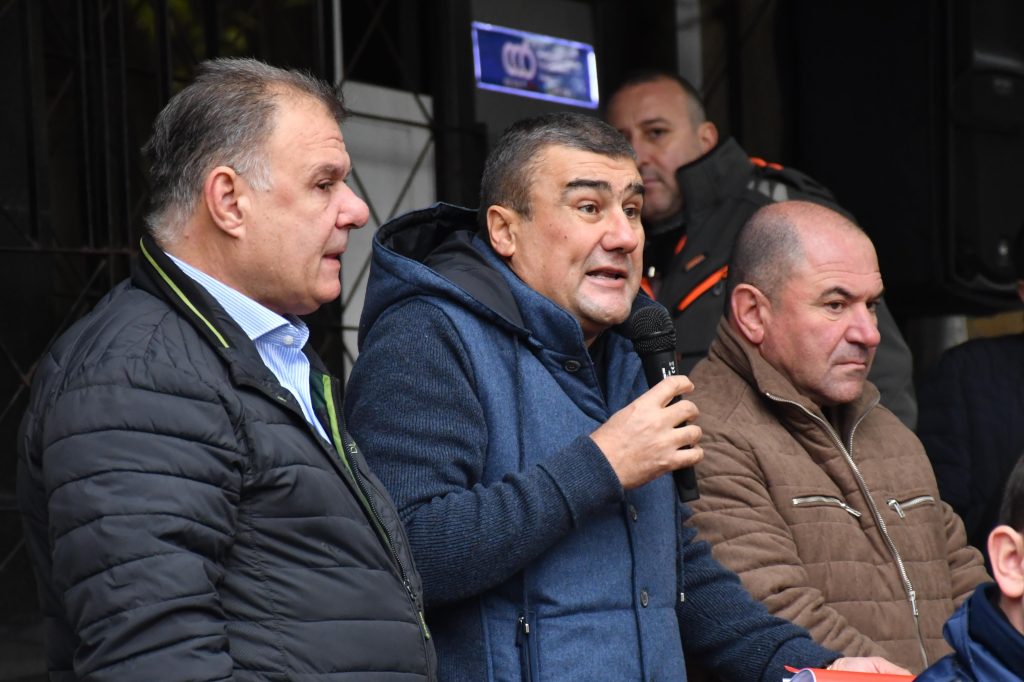
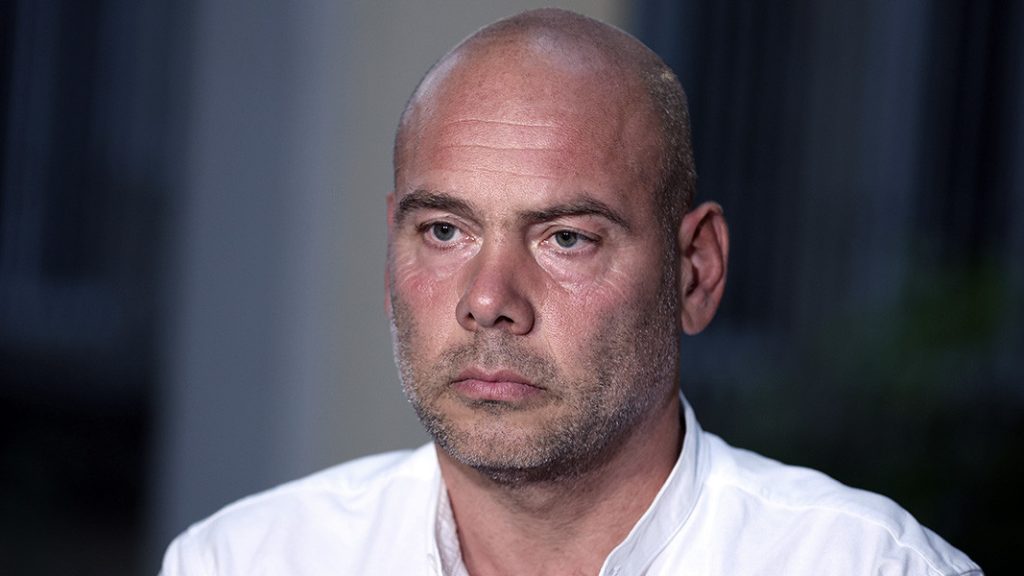
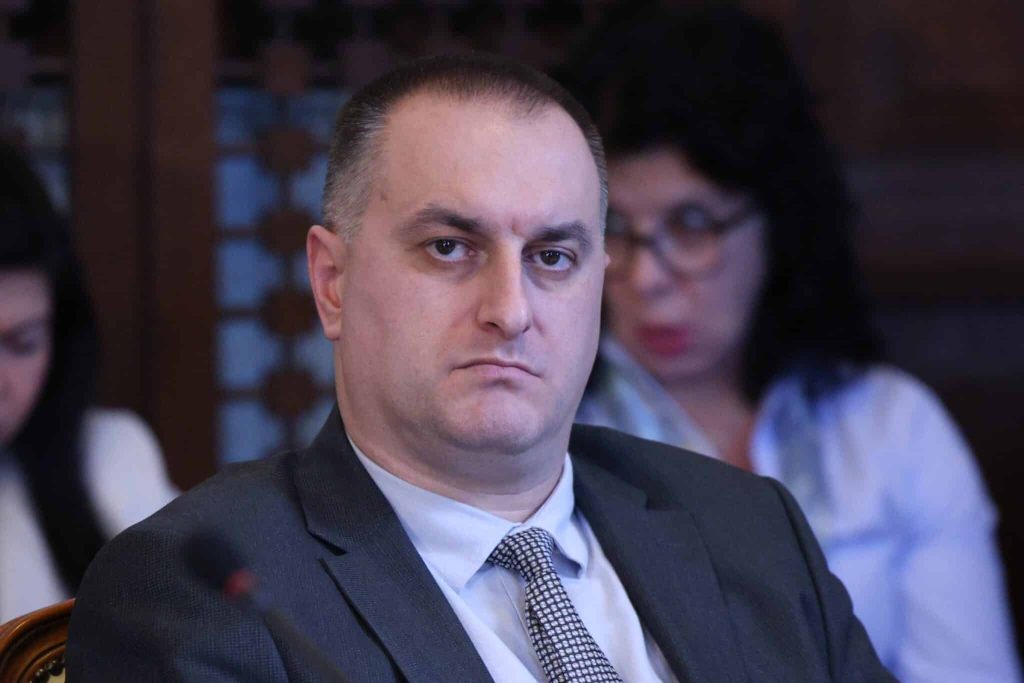
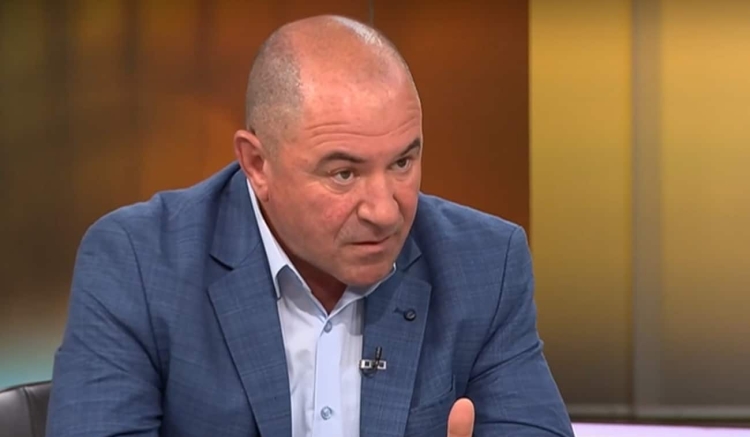
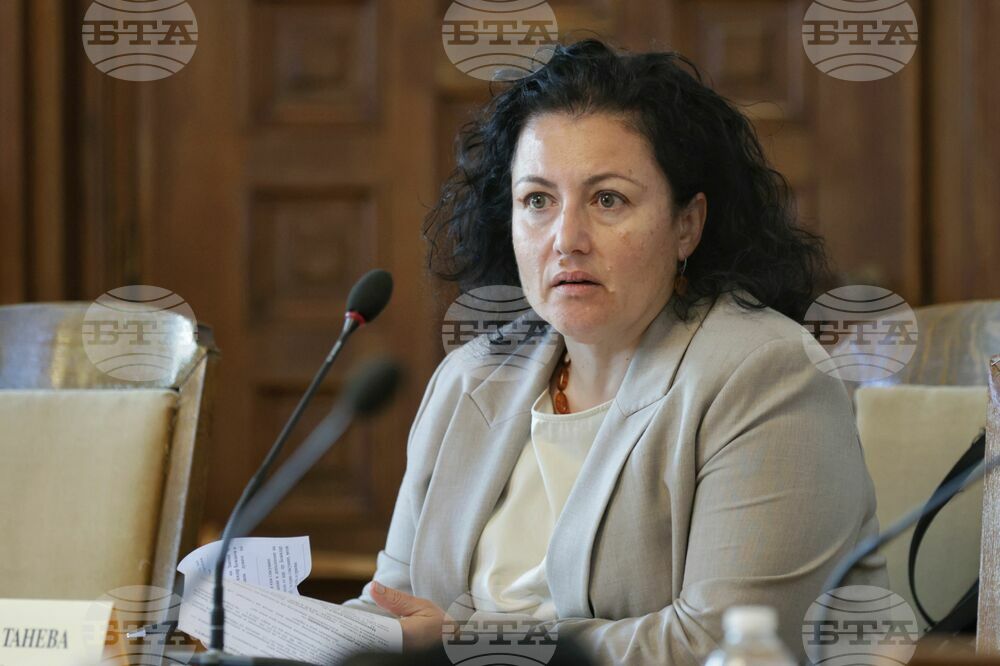
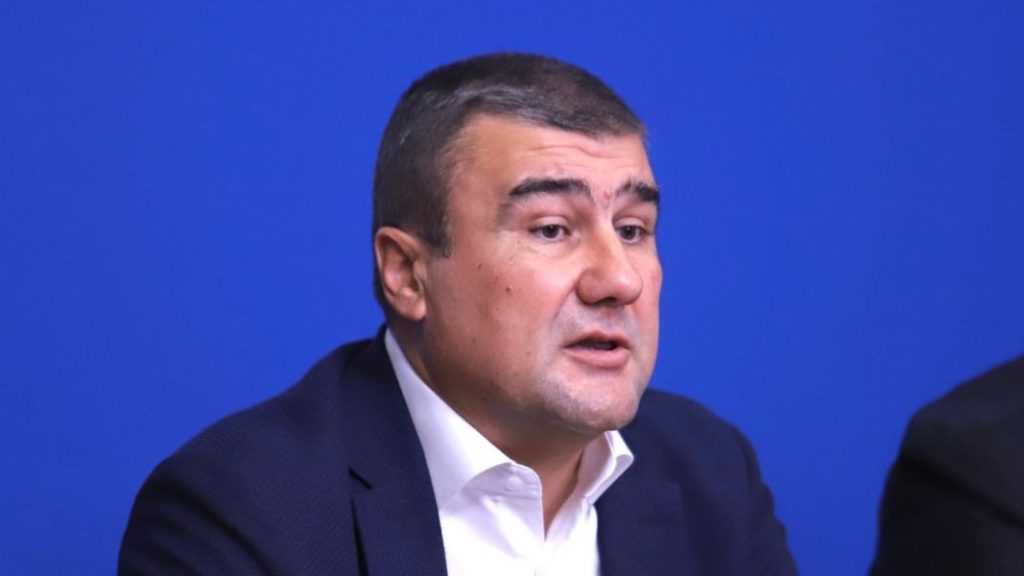
For the past seven months, Bulgaria’s livestock sector has been in a state of paralysis, gripped by a scandal that lays bare a horrifying level of corruption and unscrupulous plundering of European funds. At the heart of this chaos are the Ministry of Agriculture, the State Fund for Agriculture, the BFSA, and the chairpersons of the country’s largest livestock associations—Dimitar Zorov, Simeon Karakolev, and Boyko Sinapov. These figures and institutions stand accused of orchestrating a criminal scheme that uses forged documents and fabricated data to siphon billions of euros in EU subsidies.
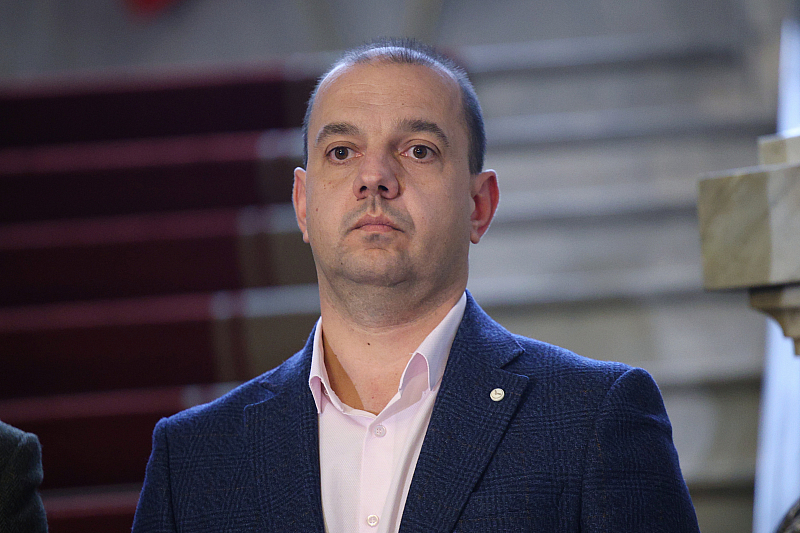
One of the most shocking examples of this fraud is the order for the euthanasia of the largest herd of small ruminants in the municipality of Velingrad, issued on November 25, 2024, by BFSA Director Svetlozar Patarinski. This order, based on questionable samples and tests conducted in an unaccredited laboratory, is merely the tip of the iceberg in a systematic effort to devastate Bulgarian livestock farmers and conceal financial malfeasance. Even more alarming, discrepancies in reported animal numbers and a lack of transparency point to a potential theft of over 3 billion leva (approximately €1.5 billion) from European taxpayers. This article aims to expose these events and warn European citizens of the threat that Bulgarian corruption poses to the EU and the Euro.
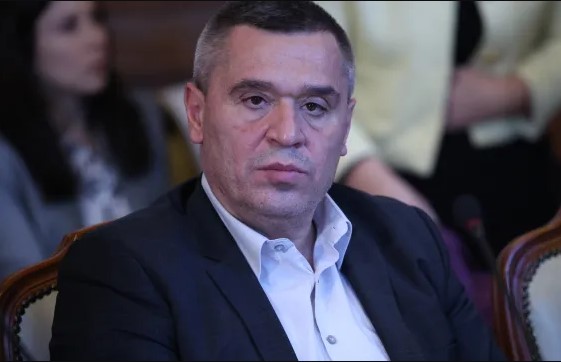
Those are the people behind the animal genocide in Bulgaria:
The Velingrad Case: Euthanasia Order and Forged Documents
On November 25, 2024, Svetlozar Patarinski, Director of the BFSA, issued an order for the euthanasia of the largest herd of small ruminants in Velingrad, citing alleged positive tests for Peste des Petits Ruminants (PPR). Patarinski is no stranger to controversy—in 2022, Member of Parliament Lyuben Ivanov alerted the Minister of Agriculture that Patarinski’s brother, owning just two sheep, received subsidies for over 5,000 decares of pastureland in the Pleven region link.
Procedural Violations:
- Improper Sampling: The samples underpinning the euthanasia order were collected by individuals lacking the necessary licenses, casting serious doubt on their validity.
- Unaccredited Laboratory: The tests were conducted in a laboratory that, at the time, lacked accreditation for PPR testing. According to the Bulgarian Accreditation Service, the first accreditation for PPR testing was issued on May 19, 2025 link, a full six months after the alleged sampling.
- Void Order: The original euthanasia order, obtained through a lawsuit in the Pazardzhik Administrative Court, lacks a qualified electronic signature, rendering it legally void under Bulgarian and European law link to document. The document’s legitimacy can be verified through Bulgaria’s official validation tool evalidation.egov.bg and EU platforms (eidas.ec.europa.eu; ec.europa.eu). Despite notifications from an initiative committee defending small ruminant farms, no institution has taken action to investigate.
Absence of Evidence for the Disease:
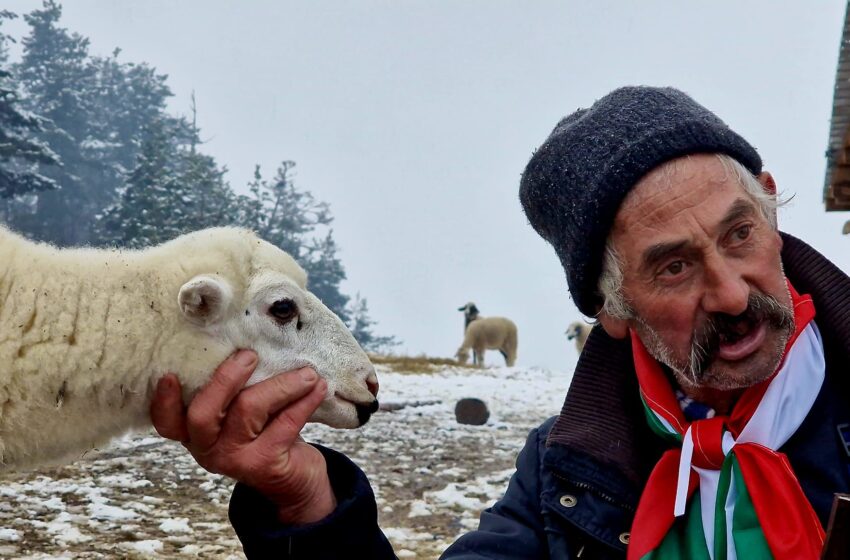
In the seven months following the issuance of the order, not a single animal has died from PPR, nor have any symptoms been observed in the regions of Pazardzhik, Blagoevgrad, or Smolyan. This has led European veterinary experts to suspect political interference aimed at destroying Bulgaria’s livestock sector.
7 month after the faked PPR, all of the sheeps in Velingrad are live, healthy and playful:
Data Manipulation and “Phantom” Animals
The scandal also reveals glaring discrepancies in reported animal numbers in Velingrad, suggesting deliberate manipulation to secure larger EU subsidies.
- January 7, 2025: Agriculture Minister Georgi Tahov, responding to a parliamentary question, stated that Velingrad had 78 livestock holdings with 4,757 small ruminants link.
- March 20-21, 2025: An official report to the European Commission claimed 105 holdings with 9,896 animals link. This discrepancy—27 additional holdings and 5,139 “phantom” animals—is not reflected in Bulgaria’s public data.
- May 15, 2025: When questioned by the Velichie party about these inconsistencies, Minister Tahov denied any discrepancies, reaffirming the EU-submitted figures rather than those from January link.
Furthermore, these “virtual” animals were entered into the Veterinary Information System (VETIS), which EU regulations mandate to be publicly accessible. Immediately afterward, however, veterinarians’ access was restricted to only the holdings they were contracted to, obstructing epidemiological monitoring and making epidemic control virtually impossible.
Institutional Complicity and Corruption
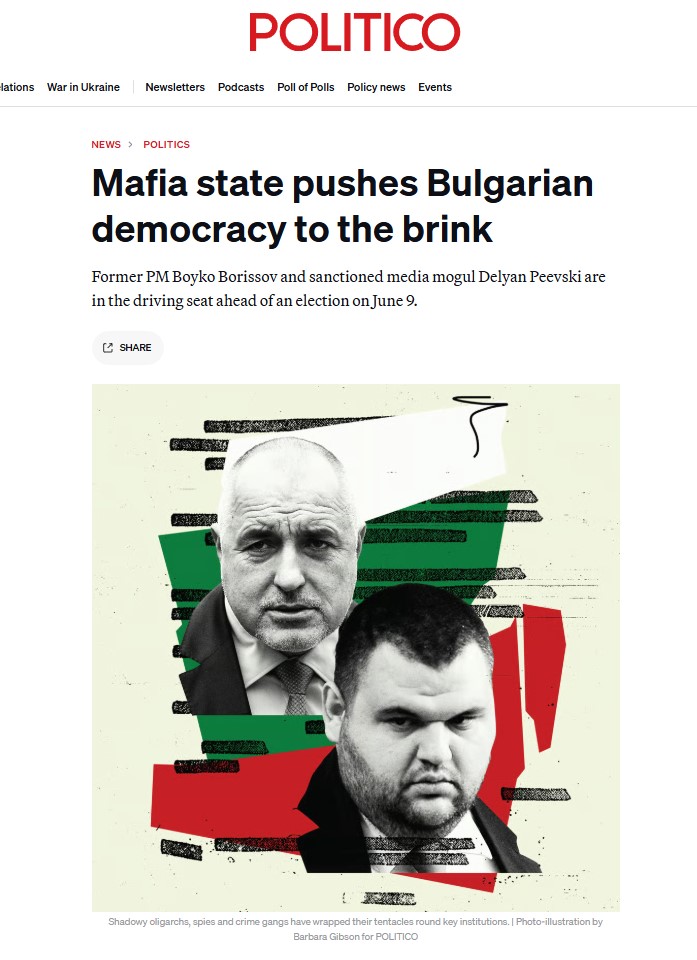
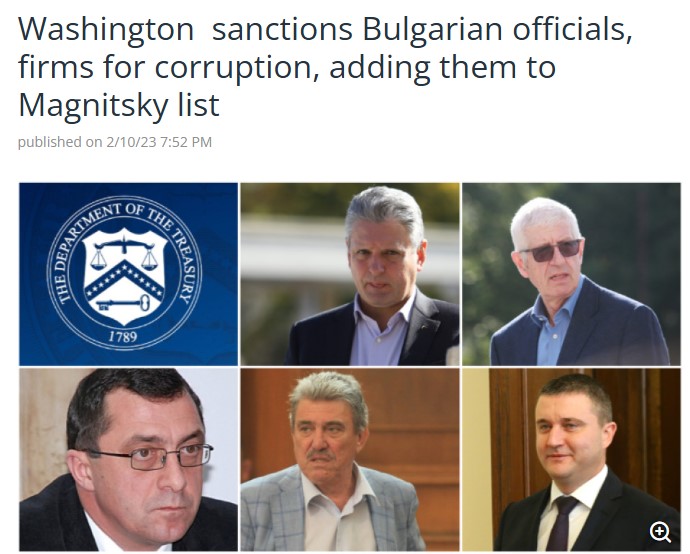
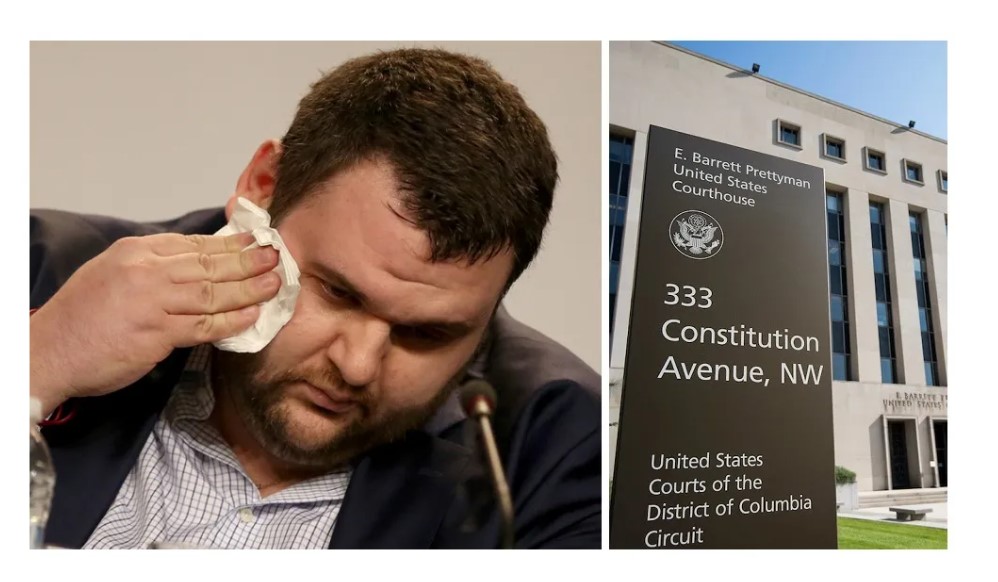
The euthanasia case and manipulated data are not isolated incidents but part of a systemic corrupt scheme. The silence of institutions—BFSA, the Ministry of Agriculture, and others—following the exposure of the void order and falsified data reinforces suspicions of an organized network operating at the state level. This scheme, estimated at 3 billion leva (approximately €1.5 billion), is not merely an administrative violation but a crime against the EU’s financial interests.
A Silence That Must Alarm Us: Bulgaria’s Corruption Threatens All of Europe
The silence of all competent Bulgarian institutions is not mere passivity—it is a deafening signal of something far more sinister. Picture a vast, octopus-like corrupt network, its tentacles gripping state structures, operating with the cold precision of a mafia but with the blessing of the highest echelons of power. This is not a scene from a crime thriller—this is Bulgaria’s reality today. And if this does not alarm you, consider this: this reality threatens not only the democracy of a small Balkan nation but is poised to infect the European Union and Eurozone—our shared home, our shared finances, our shared future.
State-Level Mafia: What Does This Mean?
When we speak of corruption in Bulgaria, we are not discussing isolated bribes or minor abuses. We are talking about a system where institutions like the Ministry of Agriculture, the BFSA, and the State Fund for Agriculture do not merely tolerate but actively participate in schemes to siphon off European funds. The revelations from the livestock sector—forged documents, “phantom” animals, void euthanasia orders—are just the tip of the iceberg. The silence of these institutions after the scandals’ exposure is not accidental. It is proof of a coordinated network that operates with impunity because it is shielded by the state’s highest levels. This is a mafia, not from the streets—a mafia in suits, seated in government offices.
Bulgaria in FATF’s Grey List: A Red Flag for Europe
Bulgaria is not just a problematic country—it is an international risk. It is listed on the FATF grey list for money laundering linked to terrorism, alongside nations like North Korea, Iran, Syria, Tanzania, and Congo link. This is no mere coincidence—it is a warning Europe cannot afford to ignore. The FATF does not place countries on this list for minor infractions; it signals deep-rooted governance issues and an inability or unwillingness to curb organized crime infiltrating the financial system. Yet, Bulgaria stands on the brink of joining the Eurozone—the heart of Europe’s economy.
Threat to the Eurozone: Your Money Is at Risk
Imagine this: the most corrupt country in Europe, according to Transparency International’s Corruption Perceptions Index, gains full access to the common European currency. This is not a hypothesis—it is the next step if Bulgaria joins the Eurozone without addressing these issues. What does this mean for you, European citizens? It means your savings, pensions, and taxes will be tied to a country where billions in subsidies vanish into the pockets of corrupt officials and their accomplices. It means your trust in the European financial system will be undermined by a nation that cannot prove the animals it claims subsidies for even exist. It means the democracy the EU champions will be threatened by a state where laws are a mere facade for criminal interests.
Why This Is Personal for You
If you live in Germany, France, Italy, or any other EU country, you might think this is a distant problem. It is not. When Bulgaria joins the Eurozone, its problems become your problems. Would you trust a bank operating in a country known for laundering money linked to terrorism? Would you feel secure knowing your taxes fund “phantom” animals and fraudulent projects in a nation unable to tackle its corruption? This is not just a Bulgarian tragedy—it is a European catastrophe in the making.
A Comparison That Must Wake Us Up
Consider the countries sharing the FATF grey list with Bulgaria: North Korea, a dictatorship notorious for nuclear threats; Iran, under international sanctions for supporting terrorism; Syria, torn by war and chaos. Is this the company we want for an EU member state? If Bulgaria is admitted to the Eurozone in this state, Europe will not merely turn a blind eye—it will invite this chaos into its own home.
A Call to Every European Citizen
The silence of Bulgarian institutions is deafening, but Europe’s silence would be unforgivable. This is not a problem Bulgaria can solve alone—it is a threat to us all. Demand answers from your governments. Demand action from the European Commission. Demand transparency and accountability before it is too late. If we allow this mafia-like network to take root in the Eurozone, we will all pay the price—with our money, our trust, and our democracy. The time to be alarmed is now. The time to act is now.
Conclusion
The scandal in Bulgaria’s livestock sector exposes a massive corrupt scheme involving forged documents, manipulated data, and institutional complicity aimed at draining European funds. The lack of transparency, accountability, and action from competent authorities threatens not only Bulgaria’s economy but also the stability of the EU.
Call to Action
We demand:
- An immediate investigation into the corruption in Bulgaria’s livestock sector.
- Enhanced oversight of the expenditure of European subsidies.
- Full disclosure to European citizens and institutions about these violations to prevent further damage to the EU’s democracy and financial stability.
No responses yet