


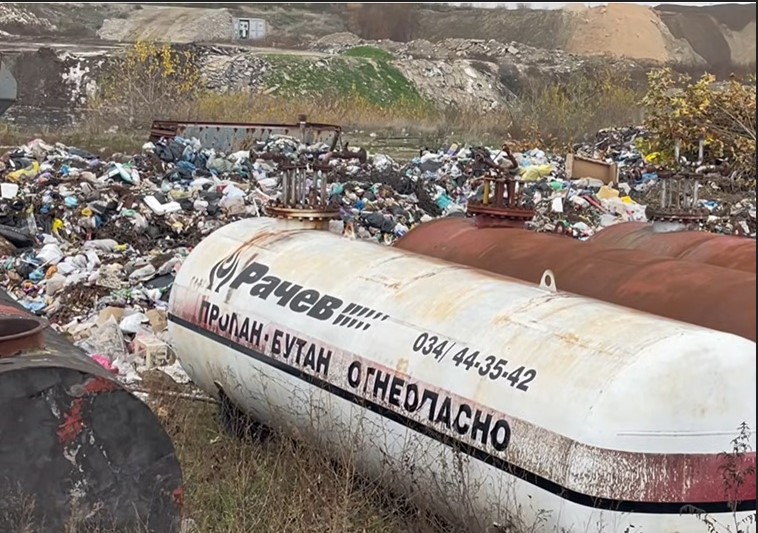
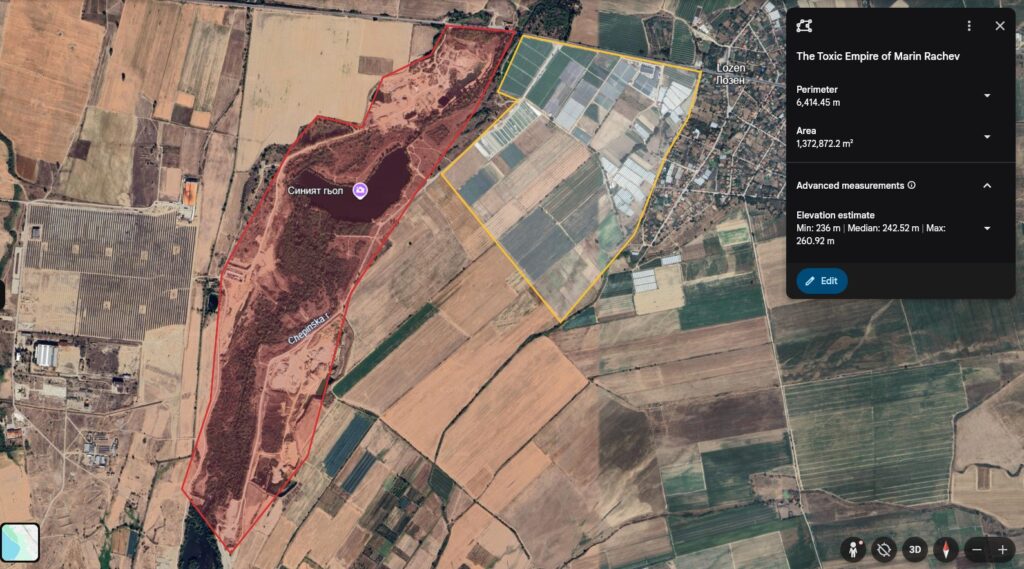
In the fertile fields of southern Bulgaria, a silent catastrophe is unfolding—one that threatens not just local communities but consumers across Europe. Imagine biting into a juicy strawberry from your local UK supermarket, unaware that it may have been irrigated with water contaminated by millions of tons of buried waste. This is no hypothetical nightmare; it’s the reality exposed in a year-long investigation into illegal landfills in the municipality of Septemvri, Pazardzhik region. At the heart of this scandal is a massive 1312-decare (approximately 324-acre) illegal dump site operated by former mayor Marin Rachev, where household, construction, and industrial waste has been systematically buried for years. Shockingly, this toxic graveyard sits mere meters from the largest production base of ROSE PLANTS EOOD—a 931-decare (230-acre) facility specializing in strawberry seedlings exported to the United Kingdom.
The implications are terrifying: potentially contaminated strawberries flooding British markets, endangering public health and igniting what could become an international food safety scandal. As Bulgarian authorities drag their feet despite repeated signals, the question arises—how long before this poison reaches your plate?

The Toxic Empire of Marin Rachev
Marin Rachev, the former mayor of Septemvri and a figure with deep ties to Bulgaria’s political elite (including alleged connections to GERB and DPS parties), has been accused of masterminding a criminal scheme that turns public waste into private profit. Since assuming power in 2014, Rachev and his associates have allegedly diverted all municipal waste—millions of tons—from regulated landfills to unregulated pits dug in agricultural lands, riverbeds, and protected zones. These massive trenches, some spanning hundreds of meters, are filled with garbage, then covered with soil to conceal the crime. Video evidence from a recent exposé shows excavators (branded Komatsu with visible serial numbers) and bulldozers actively burying waste, while trucks from across Bulgaria (with registrations from Pleven, Plovdiv, and Burgas) haul in loads every 2-3 minutes.
The scheme is lucrative: Instead of paying 10,000 leva (about £4,300) per truckload to dispose of waste legally, operators pay a fraction—around 200 leva (£86)—to dump it illegally. The profits? Tens of millions of leva annually, funneled through Rachev’s companies, which hold public contracts for cleaning and construction. But the cost is borne by the environment and human lives. Groundwater, contaminated by leaching toxins like heavy metals and chemicals, flows downstream to Pazardzhik, where over 40% of drinking water comes from shallow wells. In dry seasons, this rises to 60-70%, turning tap water into a potential poison.
Rachev’s wife, Vaska Racheva—the current mayor of Septemvri—stands accused of complicity through inaction. As the executive authority under Bulgaria’s Local Self-Government Act (ZMSMA), she is obligated to oversee waste management and environmental protection. Yet, despite hundreds of signals to authorities, no meaningful inspections or cleanups have occurred. Similarly, Kostadin Geshev, director of the Regional Inspectorate for Environment and Water (RIOSV) in Pazardzhik since 2014, has allegedly turned a blind eye, issuing minimal fines (totaling just 10,000 leva over years) instead of halting operations. This systemic cover-up qualifies as abuse of power under Bulgaria’s Criminal Code (Article 282), potentially carrying up to 10 years in prison.
The International Link: ROSE PLANTS and UK Exports
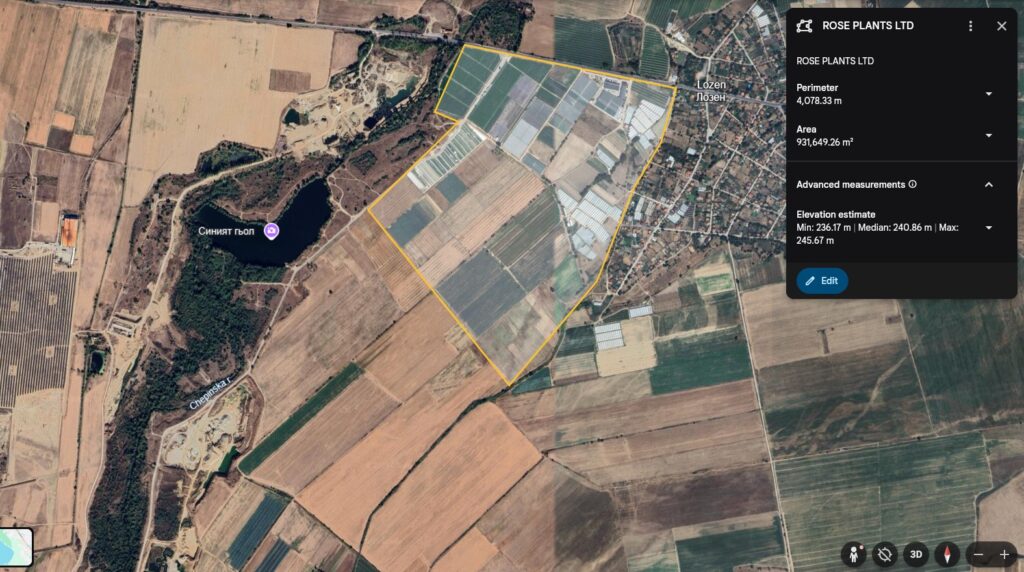
The scandal escalates to international proportions due to the proximity of Rachev’s landfill to ROSE PLANTS EOOD, a Bulgarian subsidiary of the UK-based EDWARD VINSON PLANTS LIMITED. Established in 2014, ROSE PLANTS operates a sprawling 931-decare facility in Lozen village, specializing in strawberry seedling production (code 01.25 under Bulgarian economic classifications). The company exports these seedlings to its UK parent, where they are grown into berries supplied to major supermarkets like Tesco, Sainsbury’s, and Marks & Spencer.
The landfill—sprawling over 1312 decares and containing waste from Septemvri’s entire municipal output since 2020—lies “on meters” from ROSE PLANTS’ greenhouses. Irrigation draws from the same contaminated groundwater, riddled with bubbles of decay and foul odors as captured in investigative footage. This means strawberries potentially laced with toxins like lead, cadmium, and PFAS (per- and polyfluoroalkyl substances) could be entering the UK food chain. A 2024 report from the UK’s Pesticide Action Network revealed that 95% of tested strawberries contained PFAS pesticides, already raising alarms about contamination risks. But if Bulgarian water sources are polluted by industrial waste, the stakes are even higher—chronic exposure to such chemicals is linked to cancer, immune disorders, and developmental issues.
EDWARD VINSON, a 150-year-old family firm led by directors like Dr. Graham John Joseph Clarkson and Richard James Cook, prides itself on premium everbearer strawberries (varieties like Eve’s Delight 2 and Sweet Eve 2). Their Bulgarian operations in Lozen and Krichim nurseries are key to year-round supply. Yet, the company may be unaware of the peril, relying on Bulgarian assurances of compliance. Under UK Food Safety Act 1990 and post-Brexit import rules, contaminated produce could trigger recalls, fines, and lawsuits. As one expert notes, “Imported plants present a growing risk due to sheer trade volume,” highlighting vulnerabilities in border checks.
A Cancer Epidemic in the Making
The human toll is staggering. Bulgaria already leads Europe in cancer mortality, with GLOBOCAN 2022 estimating 32,812 new cases and 18,794 deaths annually—rates exacerbated in polluted regions like Pazardzhik. Locals report foul-smelling water “boiling” with contaminants, swarms of flies, and a surge in colorectal, lung, and breast cancers. Investigative videos show black soil from burned waste and bubbling toxins seeping into aquifers that feed wells in Pazardzhik, where residents drill private sources amid water shortages.
If these tainted strawberries reach UK shelves, the crisis crosses borders. PFAS and heavy metals bioaccumulate in fruits, posing risks to children, pregnant women, and the elderly. The UK’s Environment Agency and Food Standards Agency (FSA) have flagged similar issues in imported produce, with cadmium limits at 0.050 mg/kg for strawberries under EU regulations retained post-Brexit. A single contaminated batch could sicken thousands, eroding trust in global supply chains.
Signals Ignored: A Pattern of Corruption
This isn’t a hidden issue. Political party “Velichie” (Greatness) has filed two major signals in 2025: one in February to environmental authorities, documenting 167 illegal dumps; another in December to prosecutors, demanding investigations under Bulgaria’s Criminal Code. Despite video evidence of ongoing burials and truck convoys, responses have been tepid—minimal fines and no arrests. Rachev, convicted in 2020 for tax evasion exceeding 118,000 leva, continues operations unchecked, allegedly protected by political ties.The December signal escalates demands: immediate probes, water tests, well bans, and alerts to the European Public Prosecutor’s Office (EPPO) for EU violations. Yet, Bulgarian institutions remain silent, fueling accusations of cover-ups.
Call to Action: UK Must Intervene
This scandal demands urgent international scrutiny. British consumers deserve safe food, not poison from abroad. The UK government—through FSA, DEFRA, and the Environment Agency—must investigate EDWARD VINSON’s supply chain, test imported strawberries for contaminants, and pressure Bulgaria for accountability. If proven, Marin Rachev should face extradition or civil suits for damages to UK citizens, with compensation for health impacts.The clock is ticking. As one whistleblower warns, “This isn’t just Bulgaria’s problem—it’s on your breakfast table.” Will the UK act before the next harvest turns deadly?
No responses yet